A conversation with Hadrien Feraud
on why he created his Masterclass
'It was time to share it all'
Why did you decide to create this Masterclass?
I want to be honest. I never had any ambition or vision to teach. I am a musician, an artist. I am not great with words. I did not go to a fancy school. I know what I know from years of self-study and exploration. 30 years of all things bass and music, obsessively.
Throughout the years, I have been approached many times asking to share my perspective. I did a few times: masterclasses for various platforms and projects. I always felt it was too basic, too redundant. I am pretty active with my fans on socials. I try to answer questions when I can, but again, that's limited. As time went by, I noticed patterns in what people needed from me. They ask me things I know not many can share.
As I approached my 40th, I realized I want to invest this knowledge in those who are as obsessive about this instrument as I am. When I launched my artist website, I announced that I would be taking a few mentorships a year.
The response was overwhelming. We received hundreds of emails. I was really floored and humbled. I realized that I cannot satisfy all these people. I only take a couple of people per year as it’s very intense, deep work for my mentees and me; it's hard, time-consuming, and expensive.
So how do I help all those other people? The answer was this idea to create the masterclass. To lay everything out, to make it accessible, to give people independent ownership of this knowledge. I wanted to create something that is full of useful information, but also fun and pleasing to watch. We spent a year developing it.
So this masterclass, is it a guided course program?
This masterclass is not a course, not a school, not instructional videos. Its not me sitting in front of camera lecturing you. It is a collection of over 40 videos, and if we count the docusereies chapter over 50 actually. Each covering its own subject.
It is sctructured for independant study. There is no classes, no homework, no check ins, no progress reports. You receive the material and you explore it at your own pace, on your own time, you take what you need now, or later. It’s all up to you.
As part of the program there is options to join live Q&A sessions with me, a cohort, a small group discussion. But at the core, this is independent. It is intentionally so.
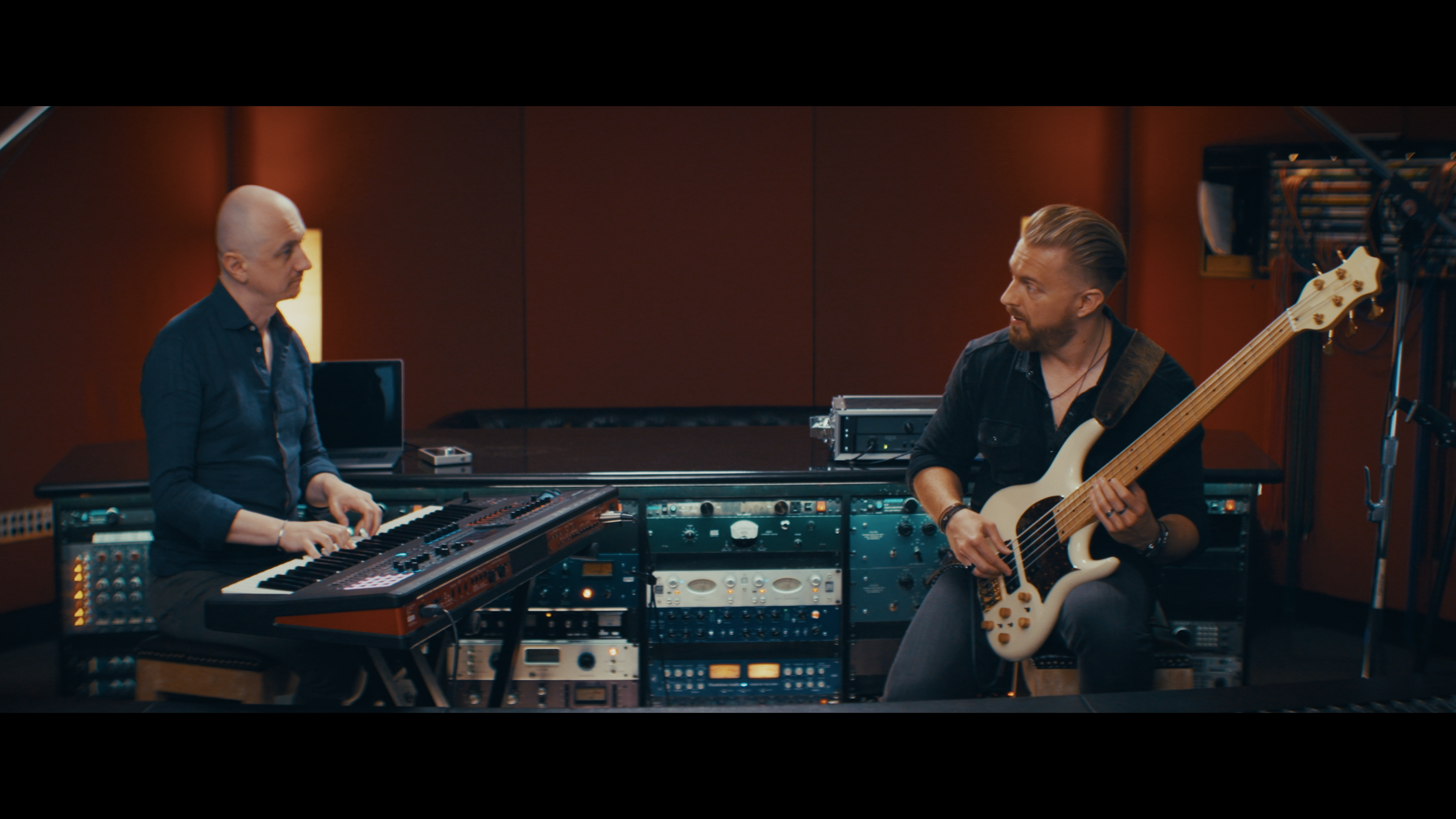
This masterclass has an unusual format. Why did you decide to do it this way?
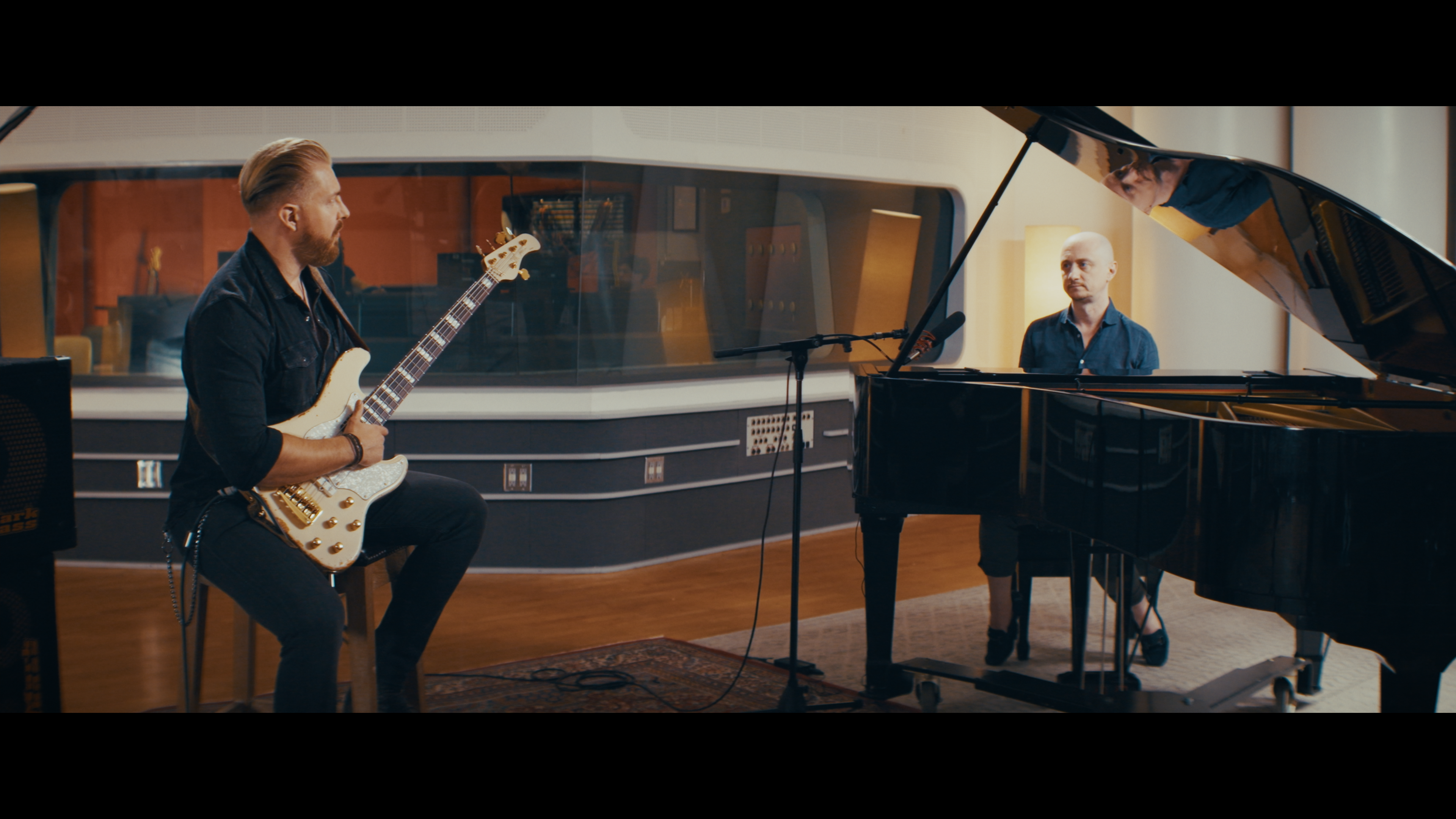
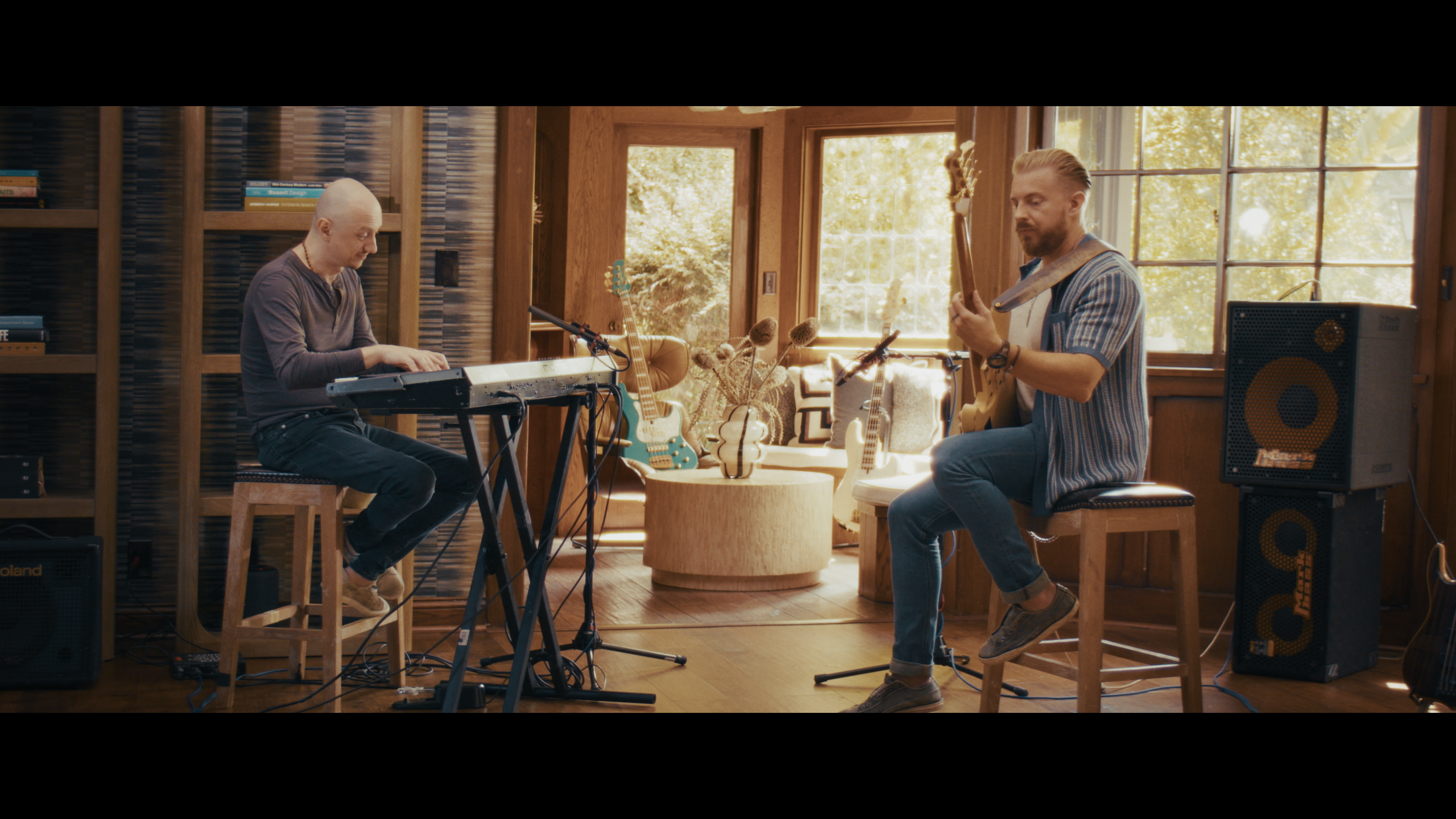
This masterclass is created in a conversational format. I wanted those who watch it to feel like they are in the room with Ruslan and me, like they are part of the discussion. I personally learn best like that. Through observing, through simple delivery and practice. So I didn't want to ‘talk at people’.
I enlisted in the help of Ruslan Sirota, a dear friend of mine, and a phenomenal Grammy-winning pianist. He has a completely opposite background to me - a Berkeley alumnus; his background is very academic. He is eloquent and sophisticated in his delivery. He also plays bass pretty well too.
So a conversation between us about bass and music is two worlds coming together. I think it creates a unique perspective, helping students grasp the concepts we are talking about. We dismantle music theory that many, who don’t come from an academic background, find daunting. We put it in simple terms and applications and demonstrate how it will take your playing to the next level.
You mentioned the masterclass is over 50 videos; I guess you guys had a lot to say.
Yes, we did, and there is always more. We planned two days of filming at the legendary Laraby Studios in Los Angeles; we had a structure, and we felt we covered everything. Then, watching the Director’s cut, we realized we wanted to go deeper and add to it, improve so much, that we ended up doing several more days of filming at other locations.
The Masterclass is 40 videos, over 4 hours of content, broken down into 4-12 min chapters for ease of watching. There is also a 10-part prequel docu-series. It outlines my journey, philosophy, and influences as an artist and bass player. Lays out the foundation for the course. It is available for free so that one can get an understanding of who I am and what I will be delivering.
You feel now its complete?
As complete as it can be at this point. Now it’s time to share this with the audience and to gather feedback. It is our plan to then see what comes up, what else people need, what they are interested in learning, what they are still struggling with, and to add to that.
That is why there will be options to join Q&A sessions, have group discussions among peers, and do small-group or even individual reviews with me. I want to make sure that a support system is in place if anyone needs it.
So should people wait for the 2.0 to get the best of this?
Life is too short to wait for anything. Plus. All future updates will be free for those who join the Masterclass now.
You are self-taught, no formal training. How do you feel it affects your teaching?
Well, I don't use complicated words and over-theorize things; I do the opposite. I bring complex musical theory to practical application. I know that so many self-taught musicians are intimidated by music theory jargon, so this is my support for those who are like me. You don't have to be conservatory-trained to master music theory. The knowledge is in the concepts, not the fancy words.
So who is this masterclass for?
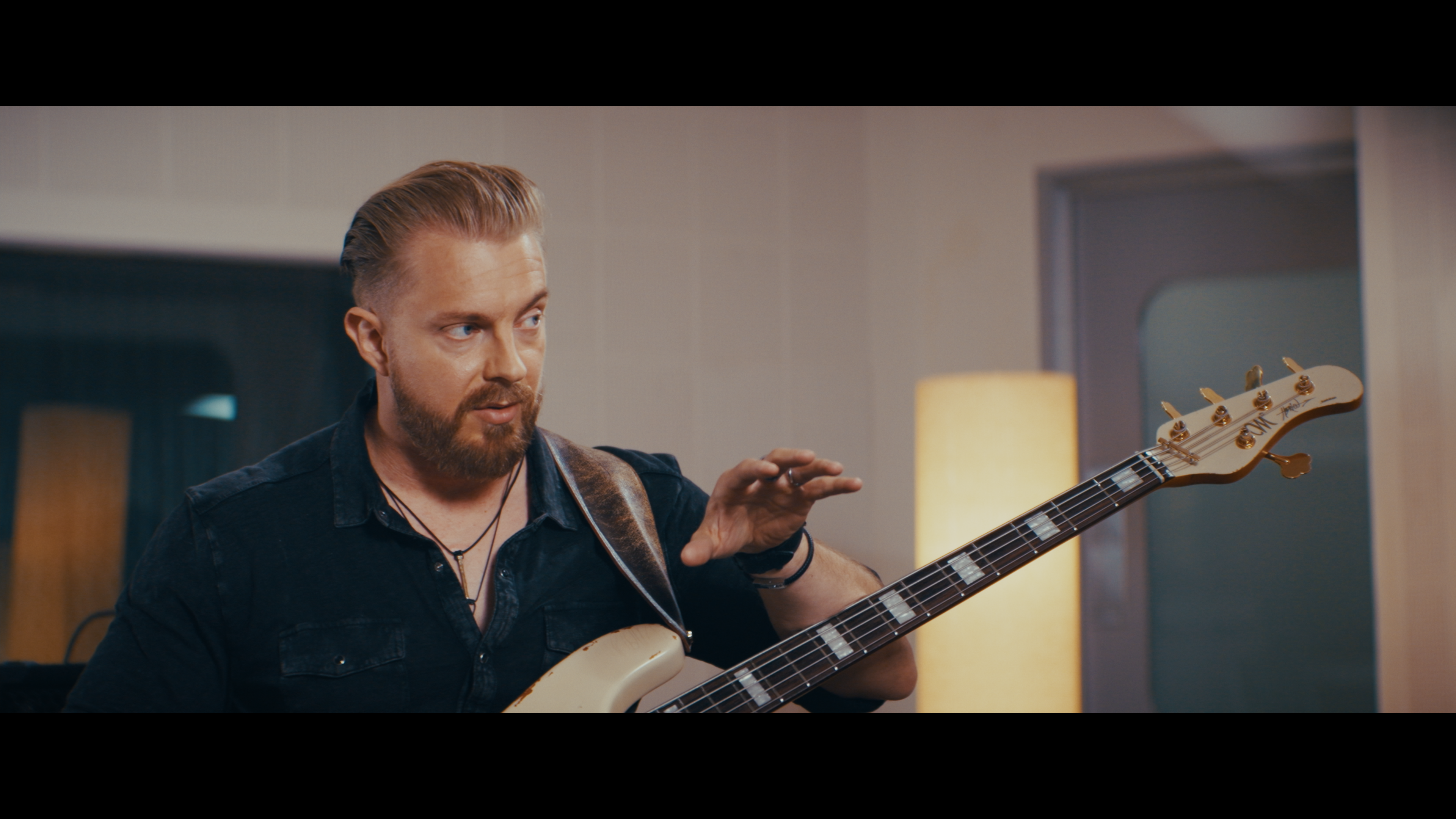
Well, hopefully everyone. Yes, it is directed and designed for people who know how to command the instrument; those for whom it is intermediate to advanced level. But it is also useful for beginners to give them a sense of direction. And, as you grow, you can revisit and see how your understanding changes, how new and new things “click into place”.
The reason why I created something for intermediate and advanced players is that I hear many say that there is a lack of guidance at that level, and they feel stuck. Plus, let’s be realistic about who I am - I am obsessive about excellence on this instrument and in music. This mindset is overwhelming and unnecessary for many beginners. But for those who are like me, for the crazies, the obsessive ones - it is essential for getting to the next level.
Why philosophy matters in music?
Because philosophy matters in everything. Music is a language. You can be eloquent or basic - the words are there for everyone, they are the same. It is how you use them that either creates something deep, meaningful, beautiful. Or not. So if we choose to speak the language of music, we should speak it well, and, have something to say.
I am a great believer in having your own voice on the instrument and in life. Find who you are, be real, stand for something.
You often make a distinction between being a good bassist and a good musician - so one does not mean the other?
Many stop at technical abilities. But again that's vocabulary. But what you say with that - that requires intelligence. That requires listening enough, analyzing enough, transcribing, feeling in order to understand. It’s the why behind every note that matters. And understanding music, its concepts, the science of it really- is a must for being a good musician.
Otherwise you are very limited. Yes, you may learn a lot of tricks, and even be technically great. But if you are out of place - it doesn’t matter. I say that mastery begins where technique ends. Your aim should be beyond technique.
What is needed to break through the intermediate level plateau?
Going from the “what”, to the “why”. Understanding and applying concepts. And a lot of practice. But without the “why,” you'll be running on a treadmill, not getting anywhere.
What is the transformation students can expect after completing the masterclass?
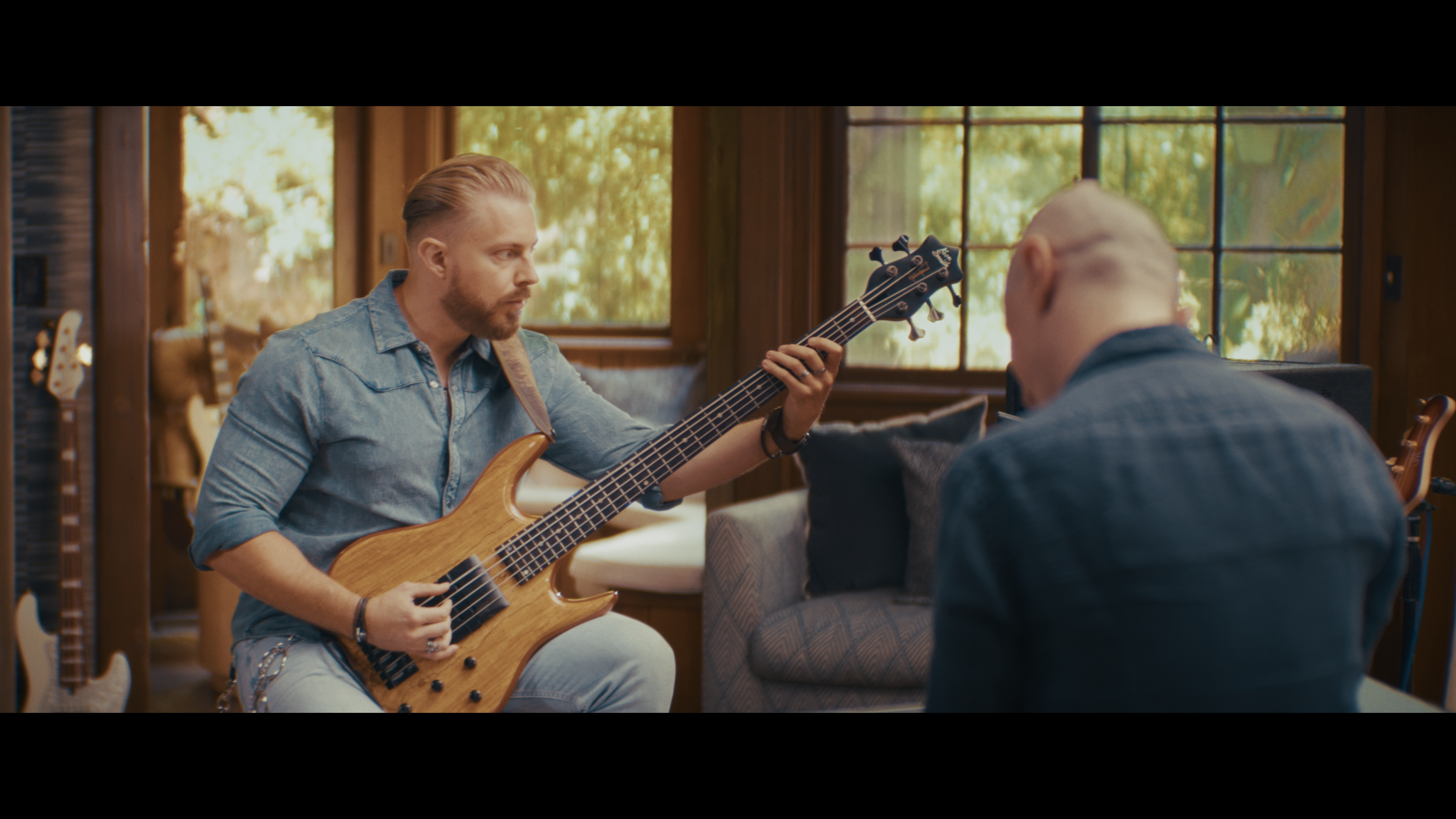
I am a straight shooter, not a sales pitch kind of guy. Your transformation depends on you and only you. Everything you need to elevate beyond your expectations will be there - the material, the support structure, the access to me. What you do with it. How much you learn, how much you push yourself. That's up to you.
Even if you watch this for 'entertainment value only', it will open up your mind and give you an elevated perspective. But if you really delve deep, you can move multiple levels on these tools.
Hadrien Feraud Masterclass Official Trailer
The Official Trailer for Hadrien Feraud Masterclass launched June 1, 2026.
Hadrien Feraud Masterclass Interview Intro
Hadrien Feraud Masterclass interview introduction clip.
NAMM interview with Jon D'Auria
A conversation with Jon D'Auria, Editor-In-Chief of Bass Magazine about music, career and the Masterclass at NAMM Show 2026.